In May 2025, the Network of Women In Growth – Ghana (NEWIG), with funding support from the Coca-Cola Foundation and in collaboration with the Erudite Women’s Empowerment Foundation (EWEF), successfully organized a Skills Development Training in Kurofa, a rural community in the Asante Akyem South Municipality of the Ashanti Region. The initiative was designed to equip women, including persons with and without disabilities, with practical skills in soap and fabric softener production to promote sustainable livelihoods.
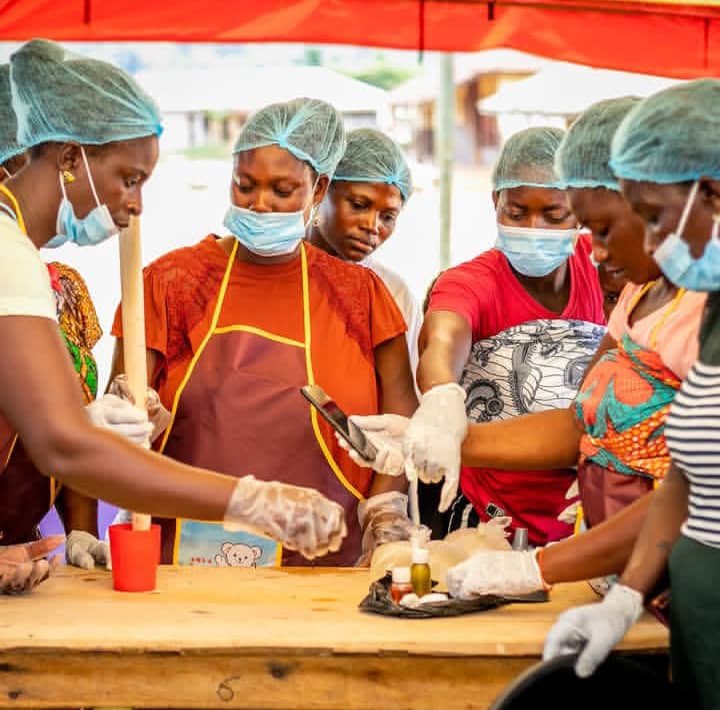
The three-day training was held at the Presbyterian Church in Kurofa and brought together 79 participants, including women, teenage mothers, and persons with disabilities. About 20% of participants were persons with disabilities, reflecting the inclusive focus of the program, and approximately four teenage mothers also took part. While attendance on the first day was modest due to initial skepticism within the community, participation increased significantly on the main training day, with an overall 80% attendance recorded, demonstrating growing trust and engagement.
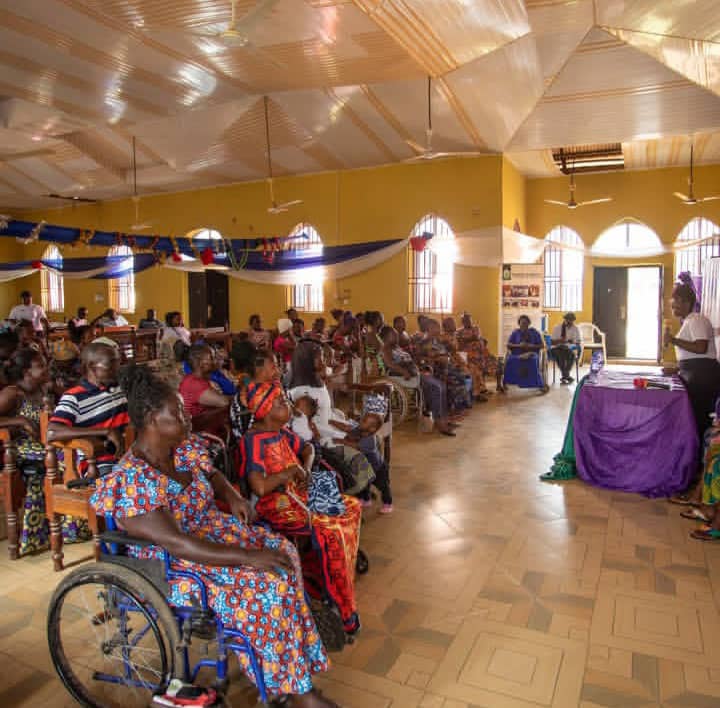
A key highlight of the training was an HIV awareness and voluntary testing session facilitated by health professionals. Participants received accurate information on HIV prevention, modes of transmission, stigma reduction, and the importance of early testing and treatment. Rapid HIV testing services were provided in a confidential and supportive environment, enabling participants to make informed decisions about their health.
In addition to the health education component, participants benefited from presentations by representatives of the Social Security and National Insurance Trust (SSNIT), the Business Resource Center, and a local bank. These sessions covered social protection, entrepreneurship, business registration, and financial management, providing participants with practical knowledge to support long-term financial stability and business growth.
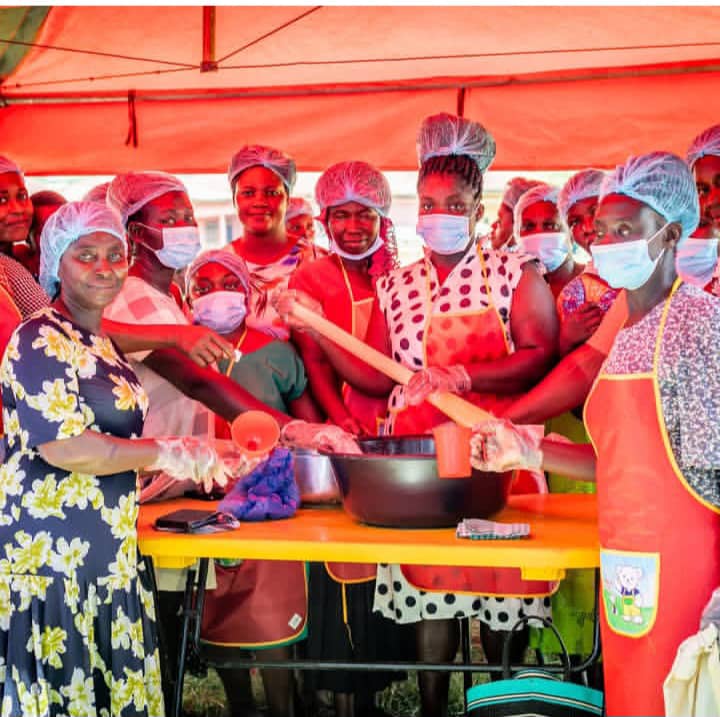
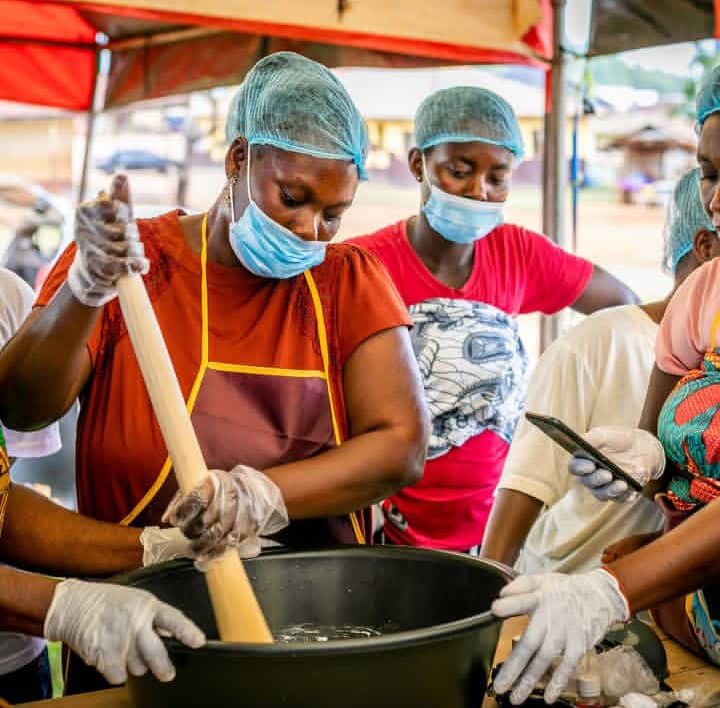
The core of the training focused on hands-on production of liquid soap and fabric softener. Participants actively engaged in practical demonstrations and successfully produced approximately 50 bottles of liquid soap and 50 bottles of fabric softener during the sessions. To promote sustainability, each of the 79 participants received a starter kit containing the necessary materials and tools to continue production independently.
The training was led by one facilitator and supported by two team members from each partner organization, ensuring effective coordination throughout the program. The event concluded with a graduation ceremony where participants were awarded certificates in recognition of their successful completion of the training.
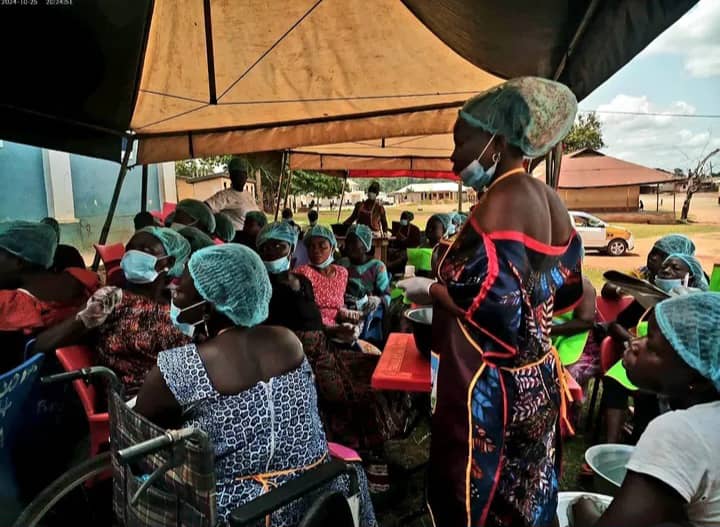

Beyond the measurable outputs, the training fostered confidence, inclusion, and renewed economic hope within the community. Participants expressed appreciation for the practical nature of the sessions, with many indicating their intention to begin small-scale production as a source of income. Community leaders also observed increased engagement among marginalized groups, particularly persons with disabilities, who felt actively included and empowered.
Despite minor challenges, including initial low turnout, accessibility concerns, and brief delays in distributing some starter kits, the program demonstrated the importance of trust-building, inclusive planning, and sustained community engagement. The Kurofa training stands as a strong example of how integrated health education, business empowerment, and practical skills development can collectively contribute to meaningful and lasting community impact.